
On this page 7 sections
Mohéli, the smallest and wildest of the islands
Mohéli (Mwali in Shimwali) is the smallest of the islands of the Union of the Comoros: about 211 km², a wooded ridge that peaks at Mzé Koukoulé (790 m), narrow, winding roads, and a main town, Fomboni, that still feels like a large village. People come here not for shops or big hotels but for nature, and it is officially recognised: since 2020 the whole island, land and sea included, has formed the UNESCO Mwali Biosphere Reserve, covering 66,286 hectares, of which 45,422 are at sea.
The heart of this reserve is the Mohéli National Park. A marine park since 2001, it is the country's first, and it is managed together with the neighbouring villages. This principle changes everything for the traveller: the eco-guides, the boats and the bungalows belong to the villagers, and the money you spend directly funds the protection of turtles and reefs. The island's profile: Mohéli, the nature island.
The Nioumachoua islets: the day not to miss

In the south of the island, the village of Nioumachoua is the gateway to the national park. From there, boats reach the uninhabited islets that close off the bay in about twenty minutes. You spend the day there: snorkelling above the coral gardens, a picnic of grilled fish on the sand, swimming in exceptionally clear water. The park also holds seagrass beds and a refuge for the conservation of dugongs.
The nearby mangrove, a nursery for many fish, is best explored at high tide. Boat trips are arranged in the village: ask for the national park's guides. Bring a hat, water, sunscreen and water shoes.
Itsamia: a night with the green turtles

At the south-eastern tip of the island, the beaches of Itsamia are among the most important nesting sites for green turtles in the western Indian Ocean, and the UNESCO biosphere reserve protects them. Founded by the villagers in 1991, the ADSEI association watches over the beaches and welcomes visitors in its community bungalows, with guides from the village. Nesting takes place all year round, with variable peaks: plan one or two nights to improve your chances.
Outings take place at night, always accompanied. The rules are simple: no white light or flash, a red light only if the guide allows it; stay behind the turtle, at a distance and in silence; never touch the animals or the eggs. With luck, you will also see young turtles heading for the ocean at nightfall. The full practical guide: Itsamia, the turtle beach.
Humpback whales, from July to October

From July to October, humpback whales travel up from the far south to breed in the warm waters of the archipelago, and UNESCO notes that the waters of Mohéli are an important breeding site for the species. The best-known period runs from mid-August to early October, when the females give birth and raise their calves in the calm waters. Boat trips leave from Nioumachoua or Fomboni.
A few good habits: choose a park guide, let the boat keep its distance and never chase an animal, and do not enter the water unless the guide suggests it. Several species of dolphins also visit the island's waters all year round. For an overview of the archipelago, see Diving and ocean.
Forests, fruit bats and a crater lake
On the central ridge, the rainforest is one of the best preserved in the archipelago. It shelters endemic birds, chameleons, orchids and the Livingstone's fruit bat, one of the largest bats in the world, which is critically endangered. The heights of Ouallah are a good starting point: a half-hour walk leads to the Ouallah 2 waterfall. With a little patience, you may spot the mongoose lemur, found in the wild in Mohéli, Anjouan and Madagascar; watch it without feeding it.
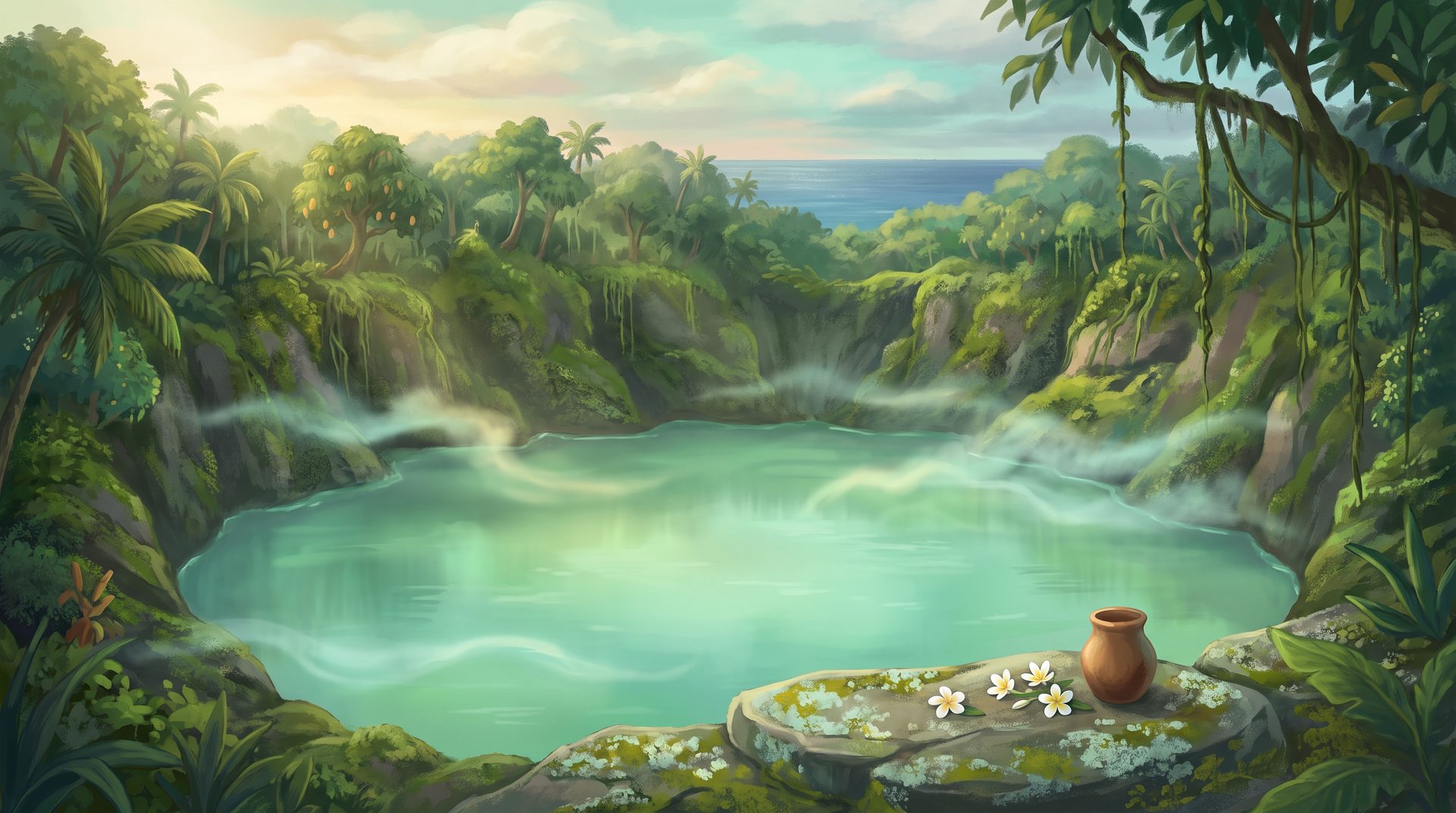
In the south-east, Lake Dziani Boundouni fills an ancient crater. Its sulphurous waters contain no fish, and tradition credits them with healing powers. The lake has been listed under the Ramsar Convention since 1995 for the diversity of its birdlife. Allow half a day for a moderate hike with a local guide, through plantations, forest and viewpoints over the coast. Also read the legend Lake Boundouni, the water that heals and the page Forests and Lake Dziani Boundouni.
Fomboni, Djoiezi, Hoani: villages and memory

Mohéli is more than its wildlife. Fomboni, capital of the sovereigns of Mwali in the 19th century, keeps the memory of Queen Djoumbé Fatima: read The Child Queen of Mwali before strolling around the market, where you find fruit, fish, spices and, above all, the taxis and good advice for exploring the island.
Above Djoiezi, on the north coast, the remains of Mwali-Mdjini, the island's oldest city, show ramparts, stone houses and tombs: see Mwali-Mdjini, the abandoned city. At Hoani, Kavé beach, with its white sand and great calm, is popular with campers. The neighbouring village of Nyambo-Hoani keeps up a tradition of handmade pottery, which UNESCO links to very old skills of the Swahili coast.
How many days, and how to organise your stay
Three days are enough for the essentials: a day on the Nioumachoua islets, half a day in the forest and at the lake, a night at Itsamia. With five days, add Fomboni, Djoiezi and a beach day at Hoani or Miringoni, or extend your stay in whale season. A full route is detailed in the romantic escape to Mohéli.
- Getting there: the island has an airfield (Bandar Es Salam), served by regional flights of 30 to 45 minutes from the other islands; boats also run the crossing, but they depend on the weather. Reconfirm the day before. See Getting around.
- On the island: narrow, winding roads, so take a car with a driver or a shared taxi; agree the price before getting in.
- Money: cash machines are very rare and cards are accepted only in a few hotels: bring cash in euros. The mobile network is sometimes weak.
- Where to sleep: eco-lodges and village bungalows (Itsamia, Nioumachoua), the best way to support community ecotourism.
- Health: medical facilities are limited in Mohéli; take out insurance that covers repatriation. See Health and safety.
- When: the dry season, from May to November, is the most comfortable, and the whales are here from July to October. See When to go
Sources
- UNESCO, "Mwali" (biosphere reserve, Man and the Biosphere Programme) (new tab), accessed 1 November 2026
- Ramsar Sites Information Service, "Lake Dziani Boundouni" (site no. 717) (new tab), accessed 1 November 2026


